Safe Spaces Online Kwara Project
Background
The 16 Days of Activism Against Gender-Based Violence is an annual international campaign that runs from November 25 (International Day for the Elimination of Violence Against Women) to December 12. With the support of the French Embassy in Nigeria and in partnership with Zabi Repro Health Initiative, Strong Enough Girls’ Empowerment Initiative (SEGEI) implemented the Safe Spaces Online Project in Kwara State to raise awareness on digital safety, cyber-violence, and online protection for adolescents and youth.
This year, the initiative focused on “Safe Space Online: Empowering Adolescent Girls to End Digital Violence in Kwara State,” aligned with the global theme “Unite to End Digital Violence Against All Women and Girls.” The program emphasized prevention of online gender-based violence (OGBV), digital literacy, and responsible online engagement. It targeted adolescents who can be vulnerable to cyberbullying, sextortion, identity theft, misinformation, and unsafe online interactions.
Overview
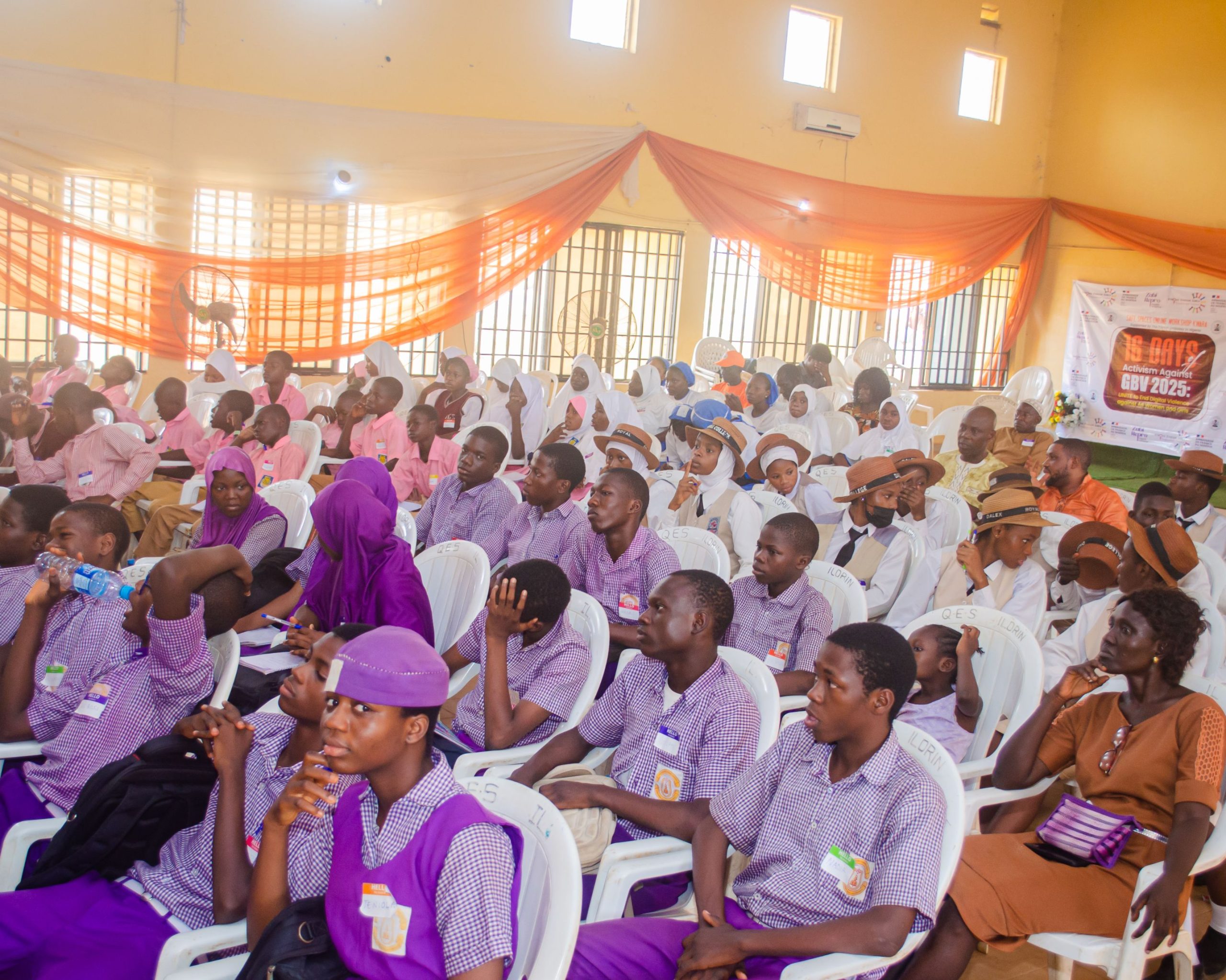
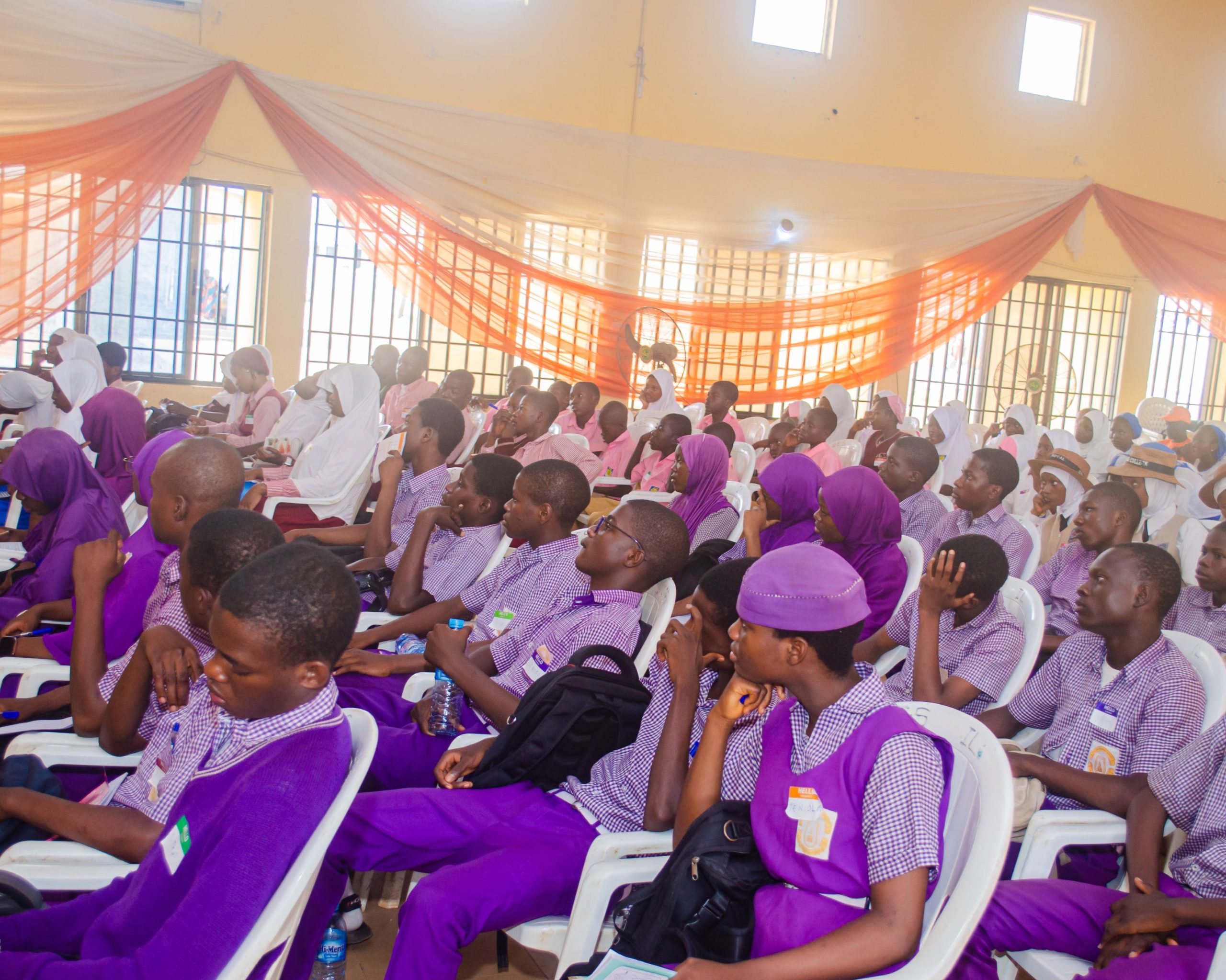
The Safe Spaces Online Kwara Project was implemented by Strong Enough Girls’ Empowerment Initiative (SEGEI), with support from the French Embassy in Nigeria and in partnership with Zabi Repro Health Initiative, during the 16 Days of Activism Against Gender-Based Violence (November 25–December 12, 2025) in Kwara State. The project sought to address the growing risks of online gender-based violence (OGBV) among adolescents by promoting digital safety, responsible online engagement, and youth-led advocacy. The intervention targeted over 80 secondary school students, including students living with disabilities, and combined institutional engagement, media advocacy, courtesy visits, and a comprehensive one-day workshop held in Ilorin South LGA.
The project recorded strong outcomes across knowledge, skills, and advocacy — improved awareness of online risks, increased confidence in using reporting tools and privacy settings, and strengthened youth leadership through breakout sessions, peer learning, a Digital Safety Pledge Wall, and a multi-platform social media campaign. Engagement with the Kwara State Ministry of Education, UNESCO Desk, and participating schools reinforced institutional buy-in and sustainability.
Objectives
- 80 adolescents will demonstrate increased awareness of the forms, drivers, and impact of online gender-based violence and promote respectful digital engagement.
- Strengthen the capacity of 80 participants to identify and report online GBV using at least two available digital safety and reporting tools.
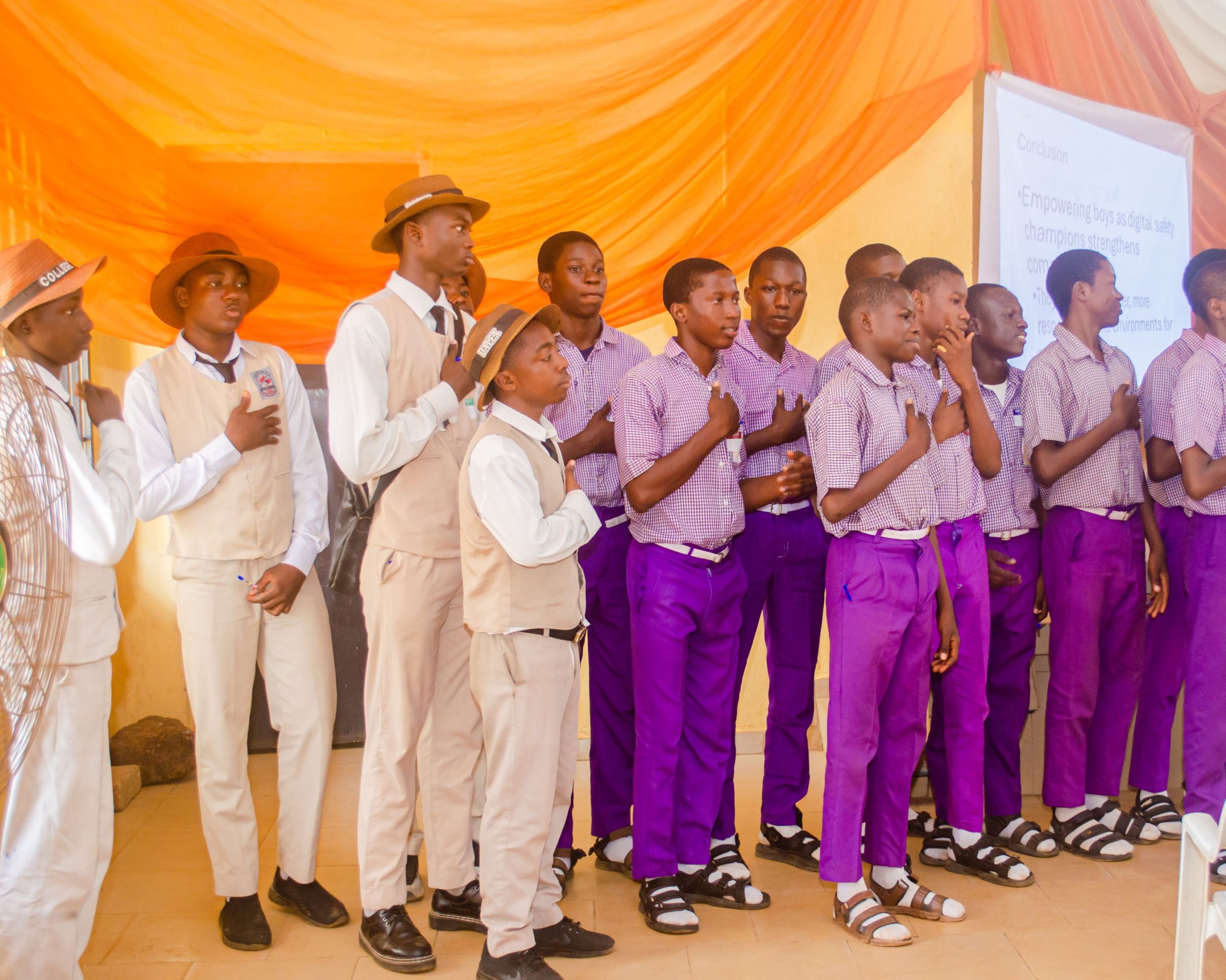
- Engage 30 adolescent boys as allies in promoting gender equality and peer accountability in online spaces through group action pledges and peer support.
- Amplify young voices by supporting 80 participants to co-create and share at least 10 digital stories or advocacy messages promoting safe and inclusive online spaces.
Activities
Courtesy Visits
The program commenced on Tuesday, November 25, 2025, with courtesy visits to the UNESCO Desk Officer, Director of Schools, Permanent Secretary, and Commissioner of Education and Human Capital Development of Kwara State. On Wednesday, November 26, 2025, the selected secondary schools were visited to interact with students and administrators and distribute consent forms.
Arrival and Registration
Participants arrived with their teachers, registered, received workshop materials and name tags, submitted consent forms, and completed a pre-workshop survey.
Opening and Welcome Remarks
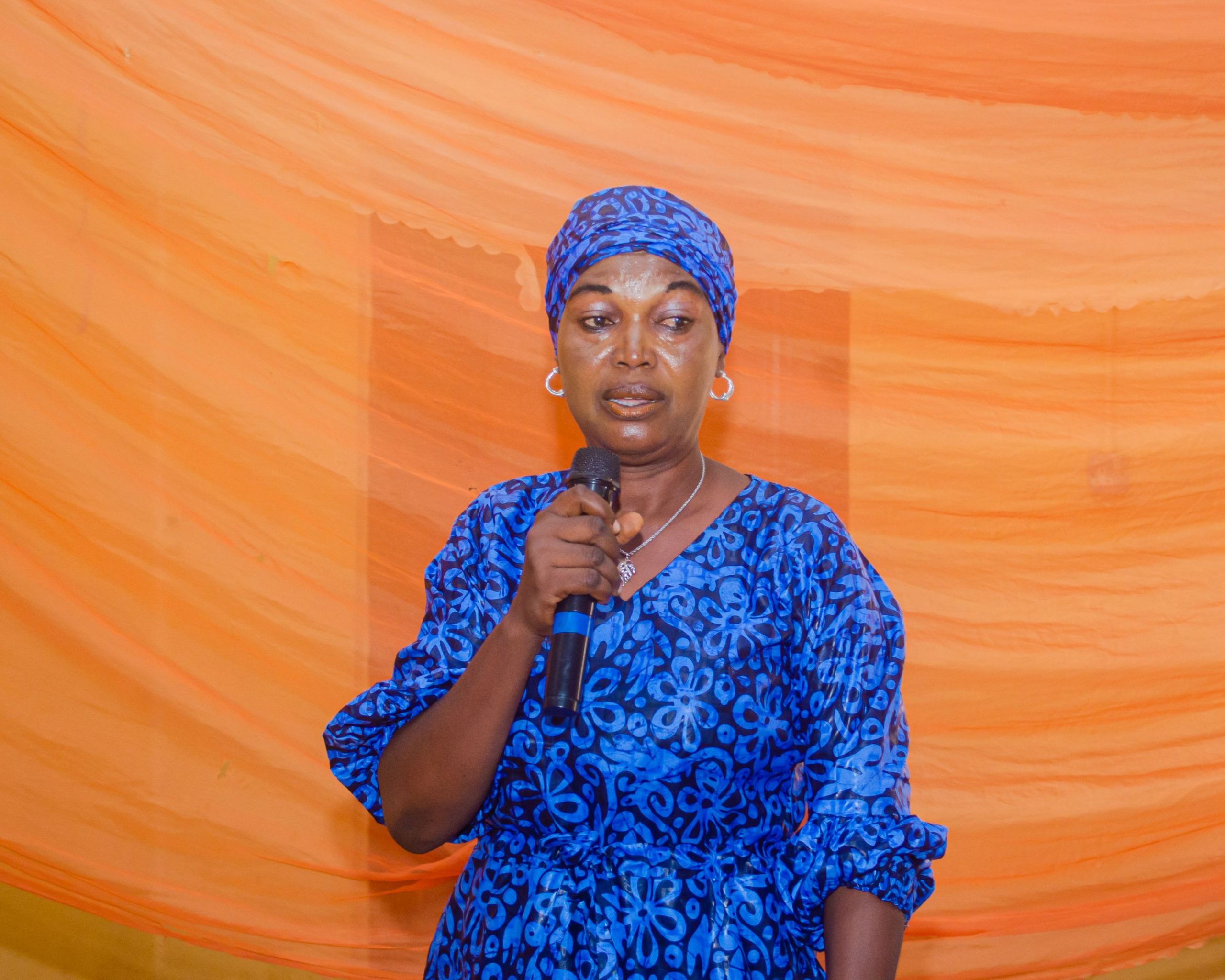
Welcome remarks were delivered by the SEGEI team and a Ministry representative, including safety protocols, an introduction to the 16 Days of Activism, the French Embassy partnership, and workshop objectives.
Digital Safety and Online GBV Training Session
Covered understanding online gender-based violence (definitions, forms, drivers, consequences, and response strategies); safe and responsible online engagement; cyberbullying prevention and bystander intervention; reporting and legal support mechanisms; and boys as allies and digital safety champions.
Interactive Q&A Session
After each session, participants asked and were asked questions on how to report online harassment, respond to inappropriate messages or threats, and navigate privacy features across social media platforms.
Breakout Session
Energizing group sessions facilitated cross-school interactions, peer learning, and application of knowledge through discussion-based questions.
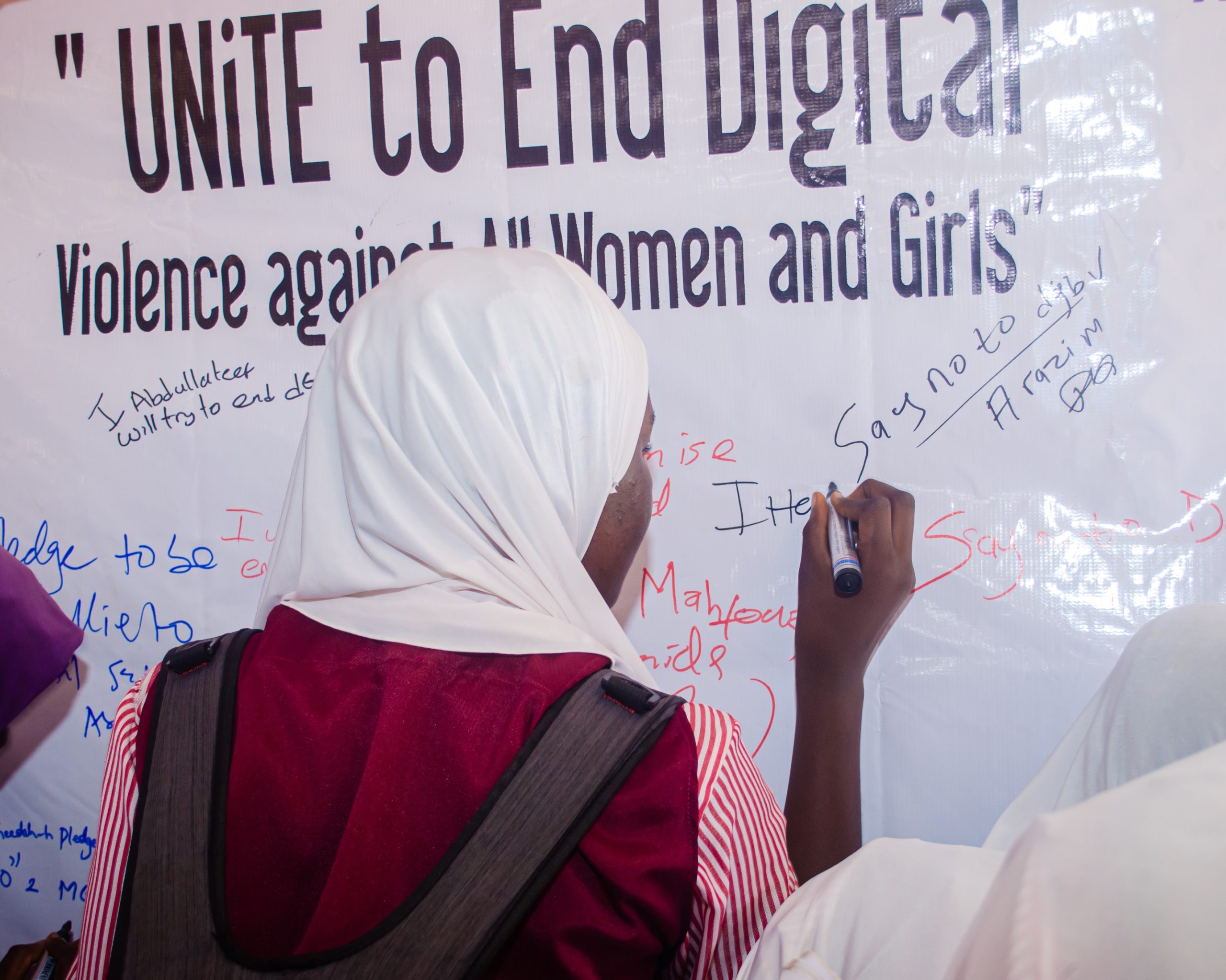
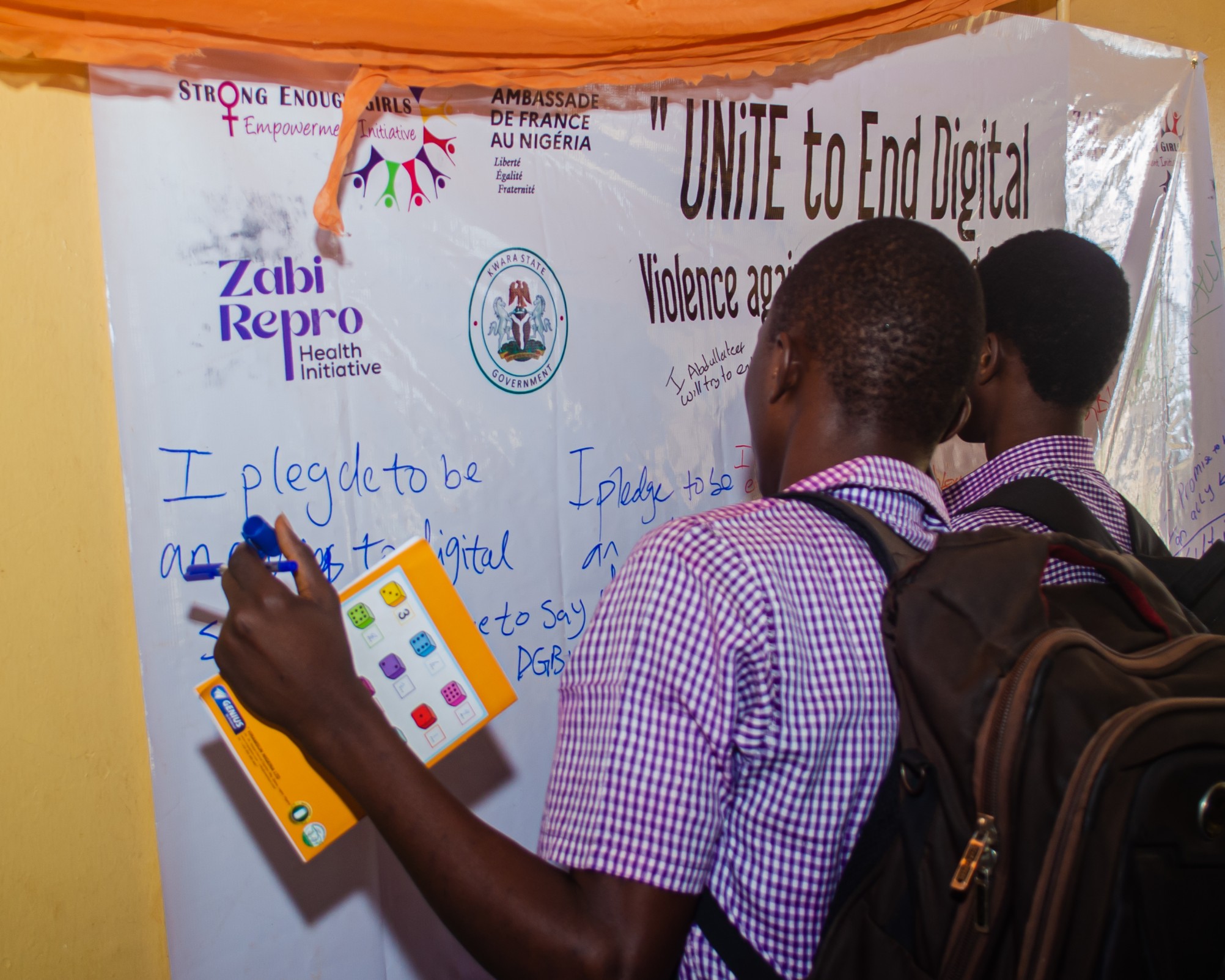
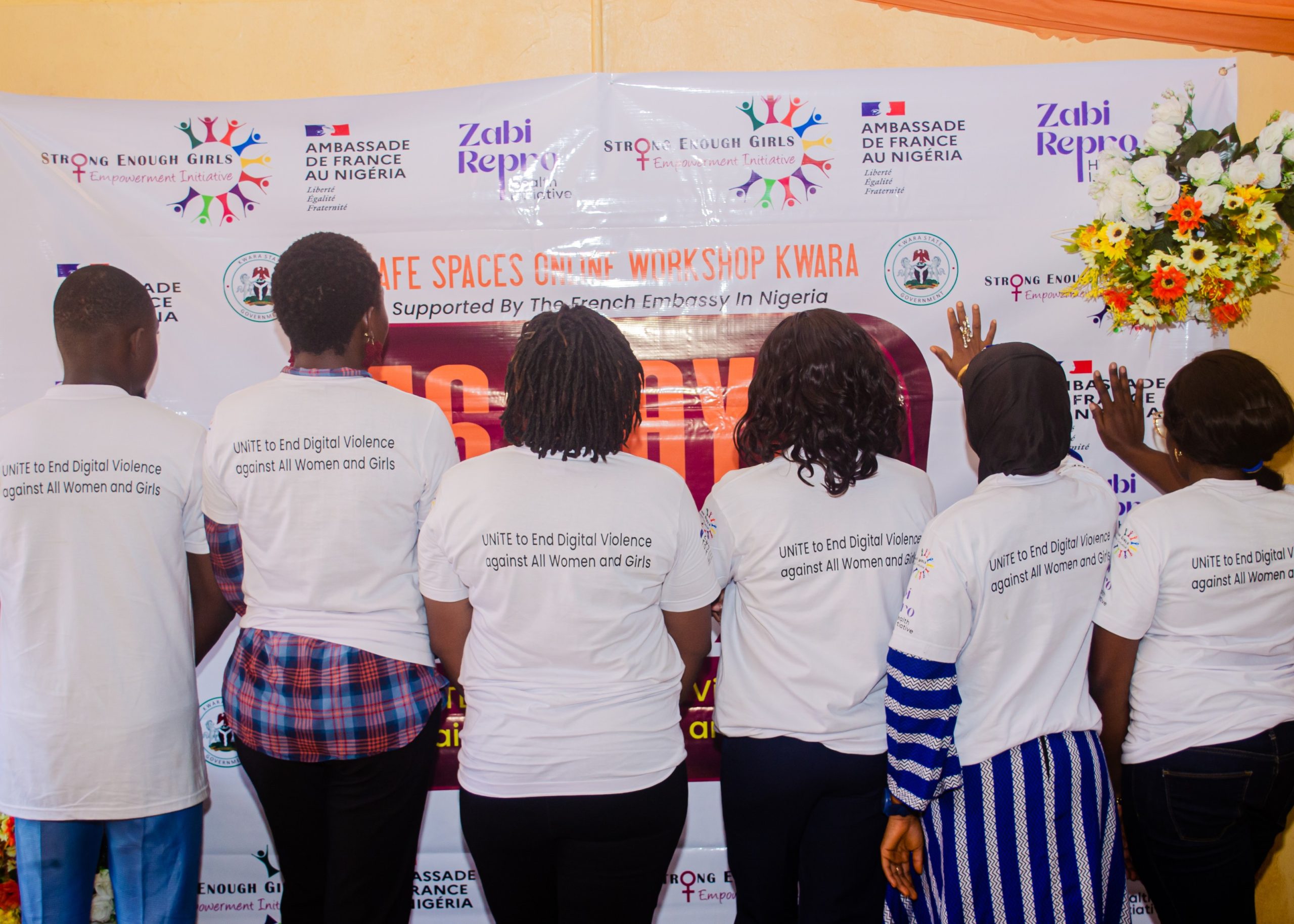
Participant Pledge & Commitment Wall
Students wrote commitments on the Digital Safety Pledge Wall, and selected participants contributed advocacy messages shared via social media.
Closing Remarks
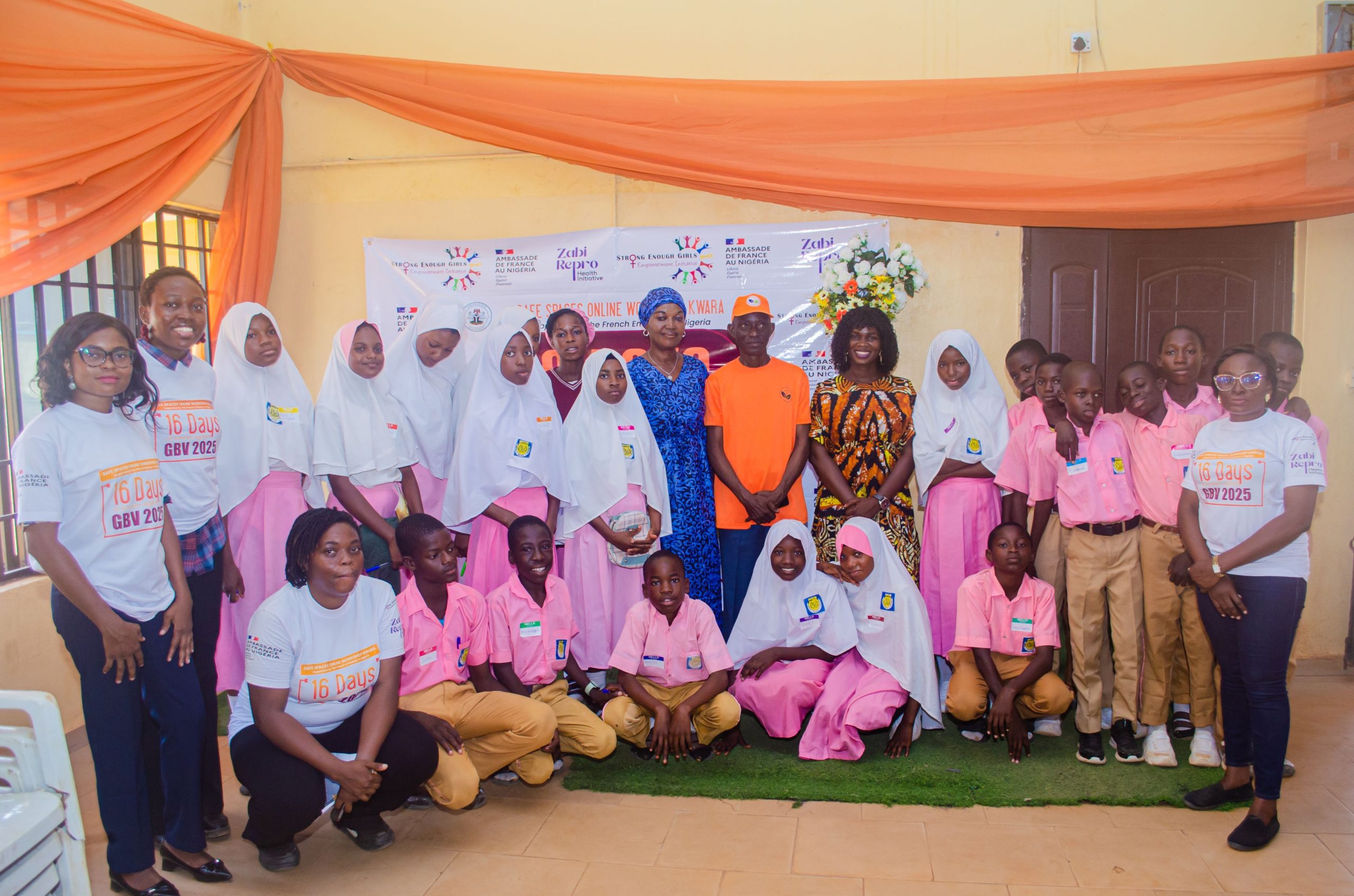
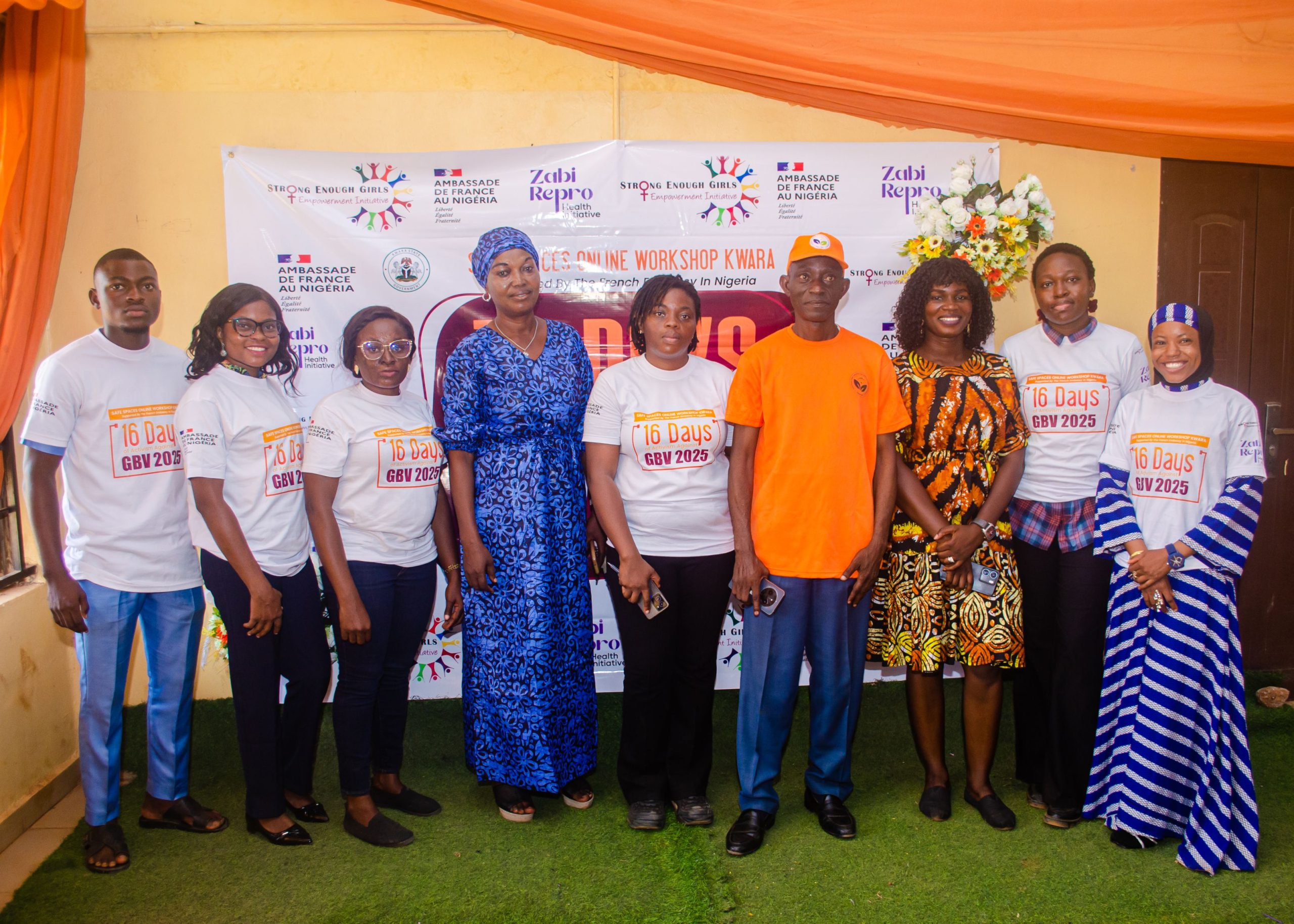
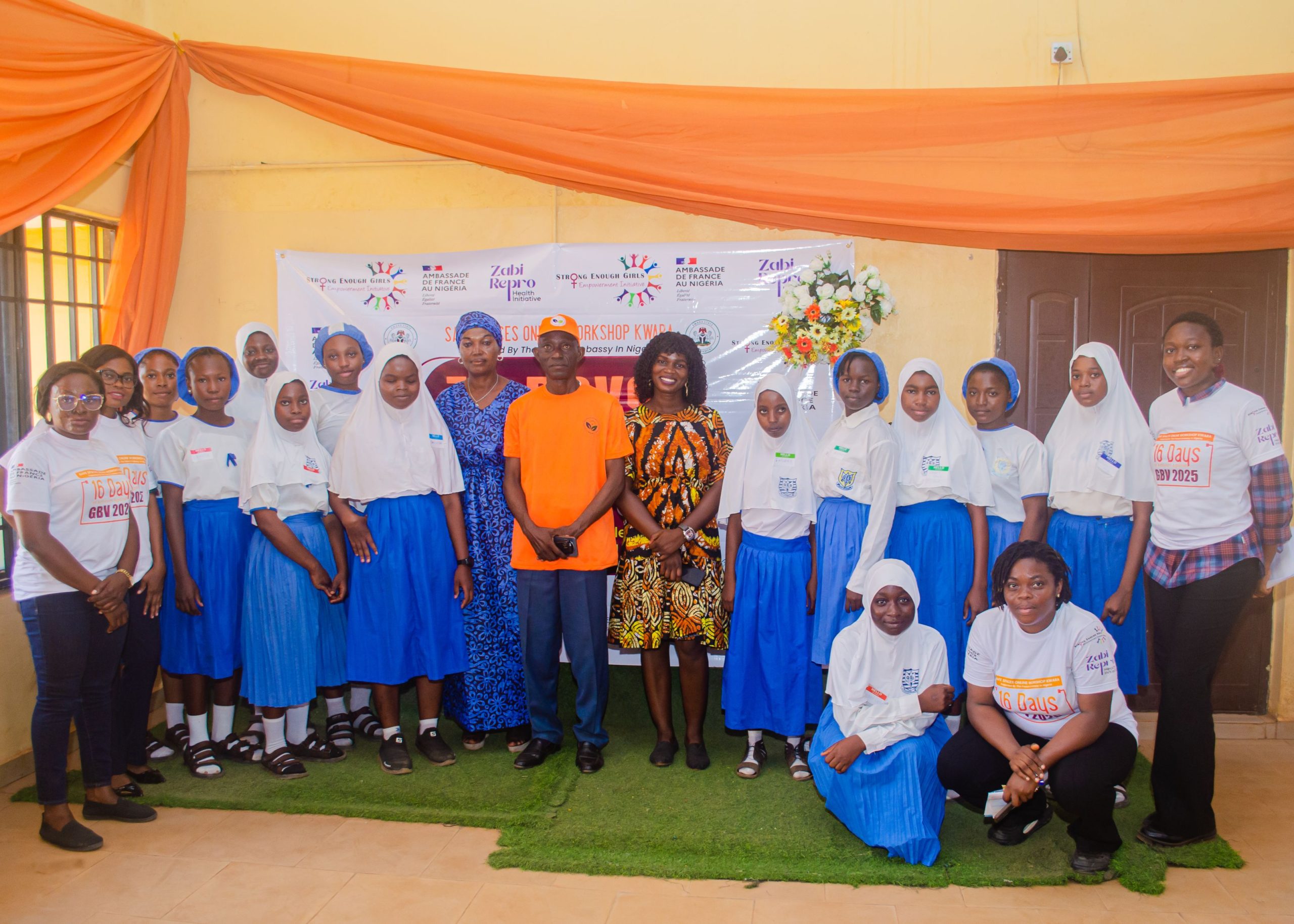
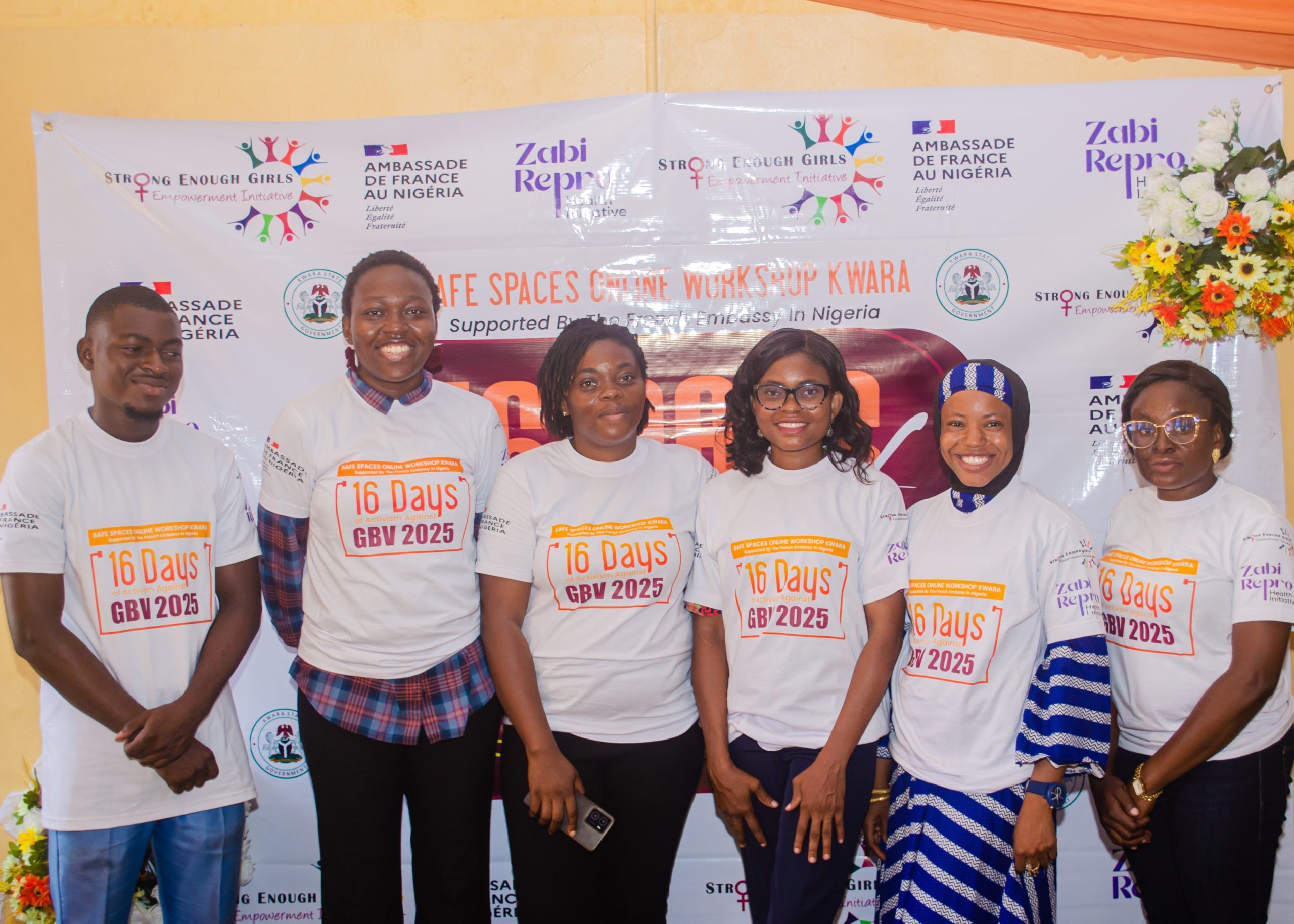
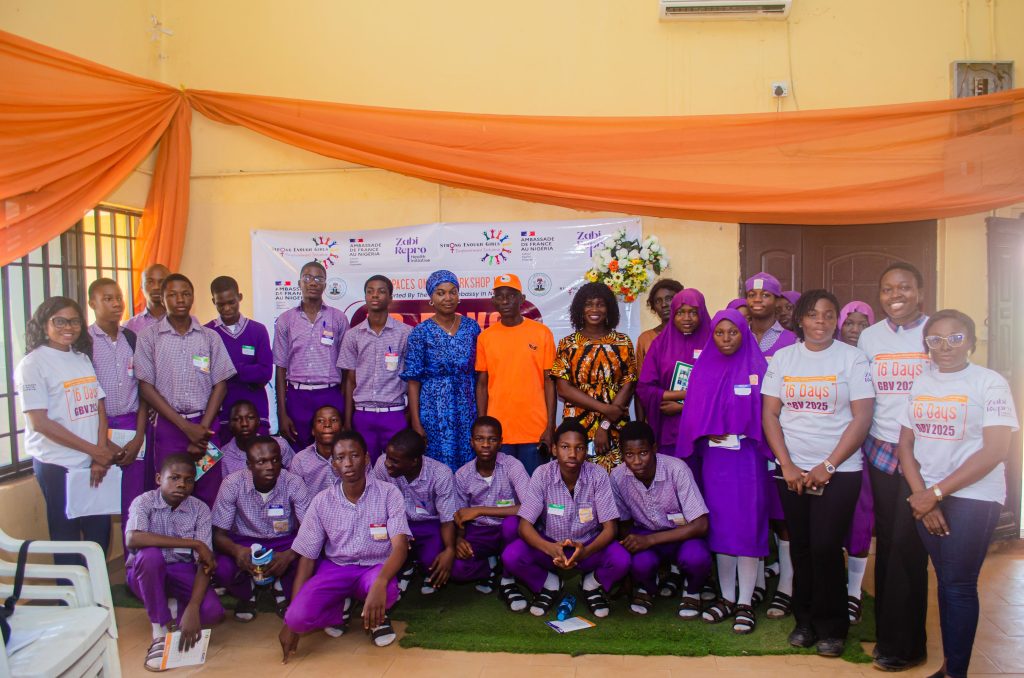
Delivered by the Zabi Repro Health Initiative, summarizing key discussions and encouraging online safety leadership, followed by group photographs.
Outcomes
- Participants demonstrated increased understanding of online GBV, digital risks, and safe online practices, including privacy settings and digital footprints.
- Adolescents reported greater confidence in using reporting tools and identifying harmful online situations, and could describe step-by-step actions for responding to cyberbullying.
- Participants committed to promoting safe online spaces among peers through pledges and advocacy messages; strong demand emerged for follow-up training and mentorship.
Outputs / Deliverables
- 84 adolescents increased awareness of online GBV, cyberbullying, sextortion, misinformation, and digital risks.
- Practical skills developed to use platform-based reporting tools and local support mechanisms; adolescents gained confidence navigating privacy settings.
- Breakout sessions facilitated cross-school teamwork and knowledge exchange; boys actively participated as allies promoting accountability.
- Participants co-created digital advocacy messages and short stories; personal commitments captured on the Digital Safety Pledge Wall.
- Courtesy visits fostered partnerships with the Ministry of Education, UNESCO Desk, and secondary schools; teachers and administrators committed to continued engagement.
- Photos, session notes, and youth-led advocacy content were produced and shared online; a full implementation report was prepared.
Challenges
Activities coincided with exams in several schools, almost affecting student availability — managed through persuasion, flexibility, and coordination. Tight school calendars limited time for some sessions, requiring facilitators to compress discussions. Some students needed additional support to navigate technical aspects of reporting tools and privacy settings.
Recommendations
Scale digital safety training to more schools and communities in Kwara State and other regions. Provide continuous mentorship and peer-support platforms for youth ambassadors. Develop context-specific digital safety toolkits for adolescents, parents, and educators. Strengthen collaboration with local authorities, school management, and child protection systems. Advocate for integration of digital literacy into school curricula or extracurricular programs.
Gallery